

IRS INFLATION ADJUSTMENTS FOR 2026

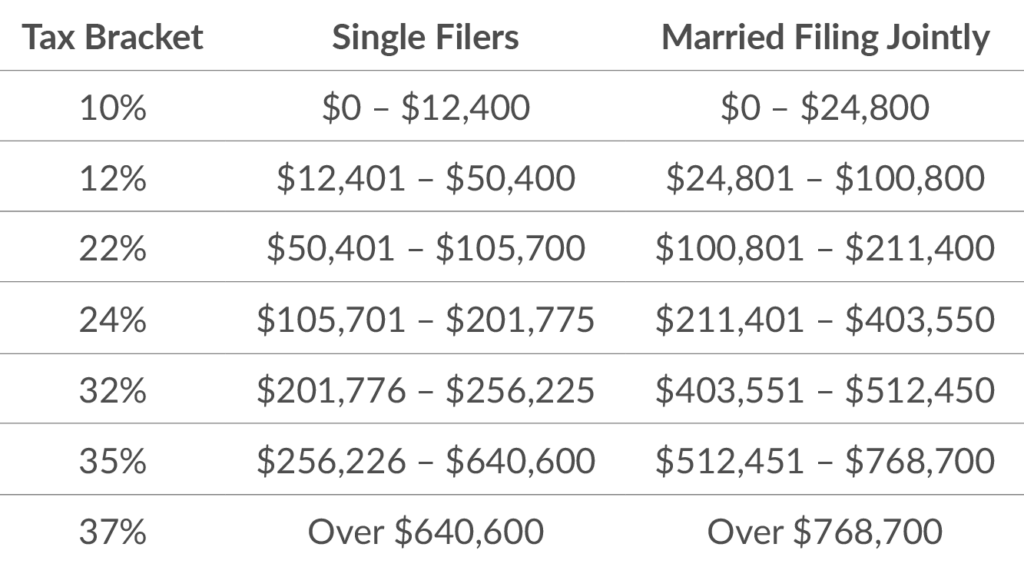
The IRS has released the inflation adjustments for the 2026 tax year, reflecting modest increases in income tax brackets, standard deductions, and other key tax thresholds. These changes are designed to protect taxpayers from getting pushed into higher tax brackets despite no real increase in purchasing power.

Here’s a breakdown of the new tax brackets: 
Standard Deduction. The standard deduction will rise to $16,100 for single filers, $32,200 for married couples filing jointly, and $24,150 for heads of households in 2026. This increase helps reduce taxable income, especially benefiting those who do not itemize deductions.

Additional Deductions for Seniors. Taxpayers aged 65 and older will see an increase in the additional standard deduction. This provides extra tax relief for older taxpayers.

Income Management. The revised tax brackets allow those with incomes near the thresholds to avoid higher tax rates, which is crucial for year-end financial decisions regarding bonuses, capital gains, or other sources of income. Taxpayers can earn slightly more without facing an increase in their marginal tax rate.

Capital Gains Planning. While the inflation adjustments primarily impact ordinary income, they also affect capital gains planning. With the increased thresholds, taxpayers may have more room to realize capital gains at lower rates.

Estate and Gift Tax Planning. Although specific figures for estate and gift tax exemption amounts for 2026 have not been detailed, the trend is that these thresholds will also see inflation adjustments. Individuals engaged in estate planning should consider these updates in optimizing their strategies for maximizing exemptions and implementing effective gifting before year-end.

Retirement and Older Adults. The enhanced standard deduction and additional deductions for seniors underline the importance of tax planning for retirees, who may benefit from lower taxable incomes. These provisions can lighten the tax burden, particularly for years with varying income levels or required minimum distributions from retirement accounts.

Bottom line: The IRS’s adjustments for the 2026 tax year should help to mitigate the effects of inflation on tax liabilities. Staying informed and consulting tax professionals can help optimize financial decisions before the end of 2025 and ensure readiness for 2026 tax filings.

Avoiding Common Tax Mistakes

Whether you’re filing a simple return or navigating more complex deductions and income sources, it’s easy to make costly tax mistakes. Many taxpayers unintentionally overpay, underreport, or set themselves up for IRS scrutiny by overlooking important details. Here are some of the most common tax errors—and how to avoid them.

1. Filing Too Late or Not at All

Missing the tax filing deadline is one of the most basic but costly mistakes. Even if you can’t pay what you owe, filing on time helps avoid the failure-to-file penalty, which can be substantially higher than the failure-to-pay penalty. Late filings without extensions can also delay any refund you might be owed and can attract unnecessary attention from the IRS. If you won’t be ready by April’s deadline, file for an extension early—but remember, the extension gives you more time to file, not more time to pay.

2. Errors in Personal Information

Mistakes in basic personal information like your Social Security number, name spelling, or filing status are surprisingly common. Such errors can delay refunds or even lead to audits. For married couples, using the correct filing status (e.g., “Married Filing Jointly” vs. “Married Filing Separately”) is crucial. Ensure that every dependent listed matches IRS records exactly, especially if divorced parents are claiming the same child.

3. Incorrect Bank Account Information

Many people prefer direct deposit for their tax refunds because it’s faster and safer. But mistyping your bank routing or account number can result in your refund being sent to the wrong address, or lost altogether. Triple-check those digits before submitting your return.

4. Underreporting Income

Forgetting to include income from freelance gigs, investments, or side jobs is another frequent error. The IRS receives copies of your 1099s, W-2s, and other income forms, so discrepancies between what you report and what they see can trigger audits or fines. Even small side income from apps like Venmo or PayPal (now increasingly monitored) needs to be reported.

5. Overlooking Deductions and Credits

Taxpayers often miss valuable deductions and credits simply because they don’t know they exist or don’t keep proper records. For example, the Earned Income Tax Credit (EITC), education credits, or student loan interest deductions can significantly lower your tax bill—but only if you know to claim them. Similarly, self-employed individuals might miss deductions for home office use, business mileage, or software costs.

6. Math Mistakes

While software and online filing platforms help, errors still occur, particularly when people file manually. Miscalculations can result in underpayment (which might lead to interest and penalties) or overpayment (leaving your money with the IRS unnecessarily). Even using outdated tax tables can lead to incorrect figures.

7. Failing to Sign and Date Your Return

This is one of the simplest errors, and it can completely void your return. Whether filing digitally or by mail, an unsigned tax return is considered incomplete. If filing jointly, both spouses must sign.

Tips to Avoid Tax Mistakes

  • Start early. Give yourself plenty of time to gather documents, review forms, and seek help if needed.
  • Use reputable tax software or hire a professional, especially if you have a complicated return. Many software programs include error-checking tools.
  • Keep detailed records of all income and expenses throughout the year.
  • Double-check everything, especially Social Security numbers, bank account info, and math calculations.
  • Stay informed. Tax laws change frequently, and what applied last year may no longer be relevant.

Filing taxes can be overwhelming, but avoiding common mistakes can save you money, stress, and potential legal issues. When in doubt, don’t hesitate to consult a tax professional—it’s often more affordable than you think and could save you more than it costs.

Contact Us for tax questions and support!